The establishment of the new International Training Center at the National Aviation Academy in Baku marks an important step in the continued development of professional training capabilities for Azerbaijan’s aviation sector. Initiated by AZANS, the center was designed to strengthen the theoretical and practical preparation of air traffic controllers and operational personnel, with a particular focus on emergency scenarios, operational readiness, and decision-making in complex environments.
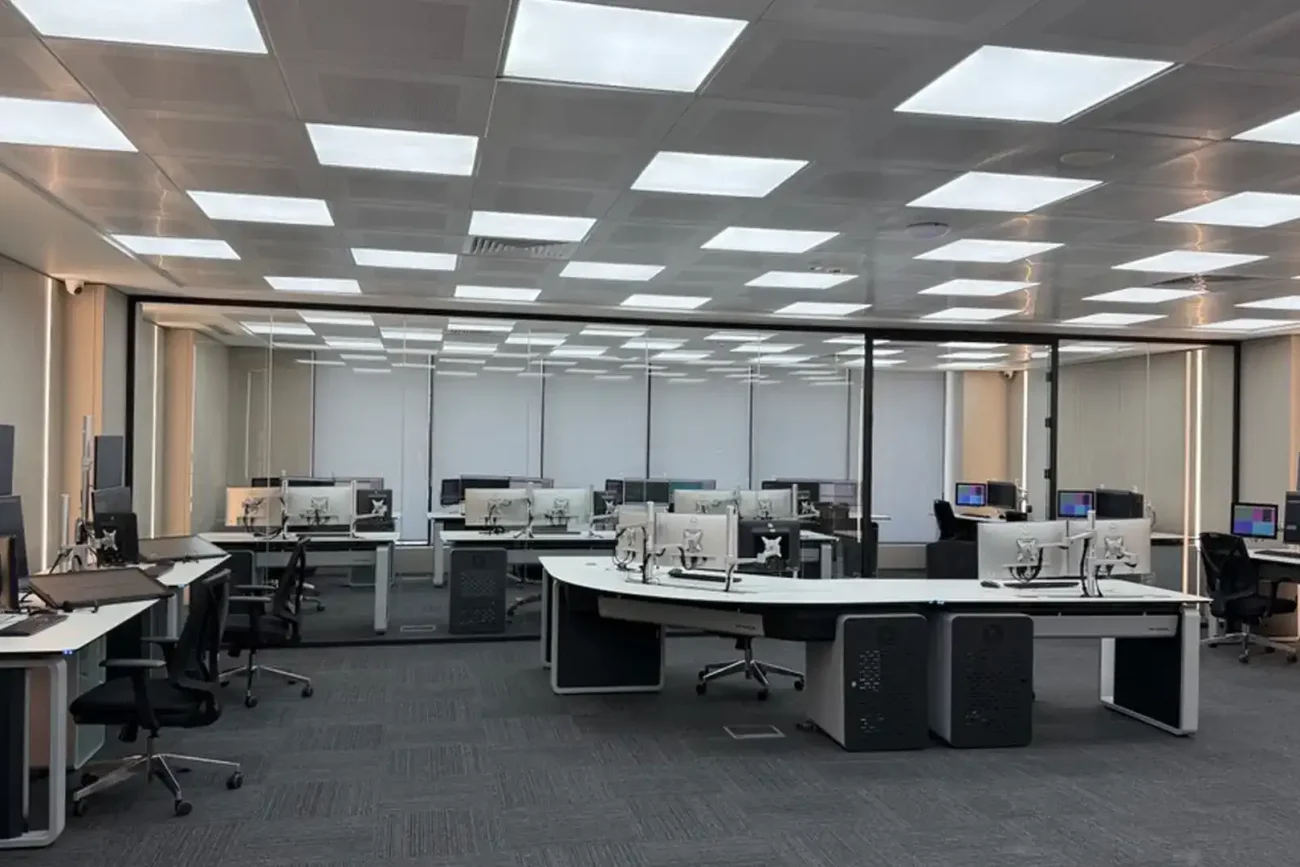
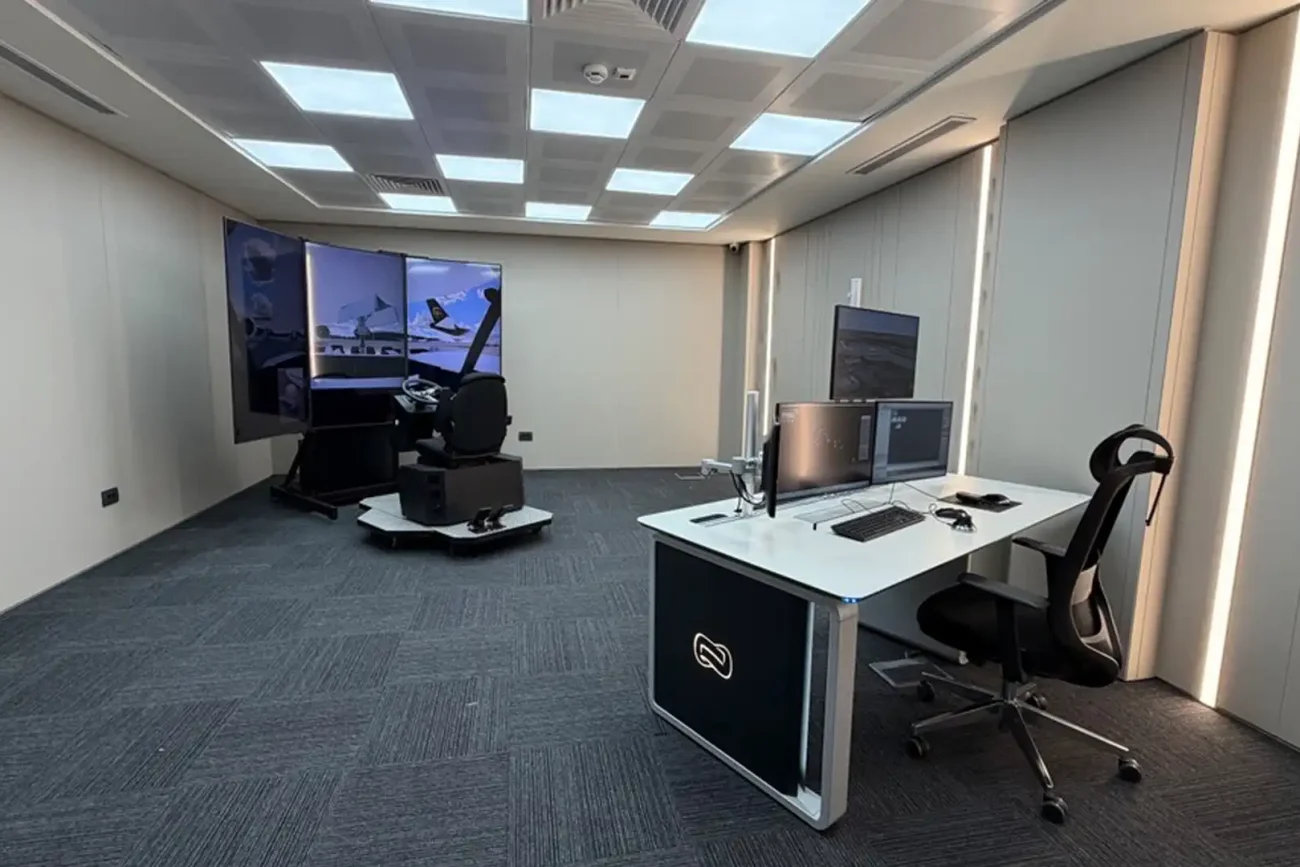
To support these objectives, the center required a technologically advanced and functionally integrated training environment equipped with modern simulation systems and purpose-built technical furniture. In response to these needs, Advantis New Generation control consoles were customized for a range of simulator-based training stations, including radar simulation, tower control, and specialized airport vehicle operations.
Given that the client had already defined the spatial concept for the implementation of the systems, coordination between the technical teams, simulator software specialists, and the management of the International Training Center was efficient and well aligned from the outset. This made it possible to develop tailored console configurations suited to the operational and educational requirements of each training space. These included linear console solutions for the tower simulator classroom, dedicated console arrangements for the radar simulation room, and specialized workstations for airport vehicle simulation.
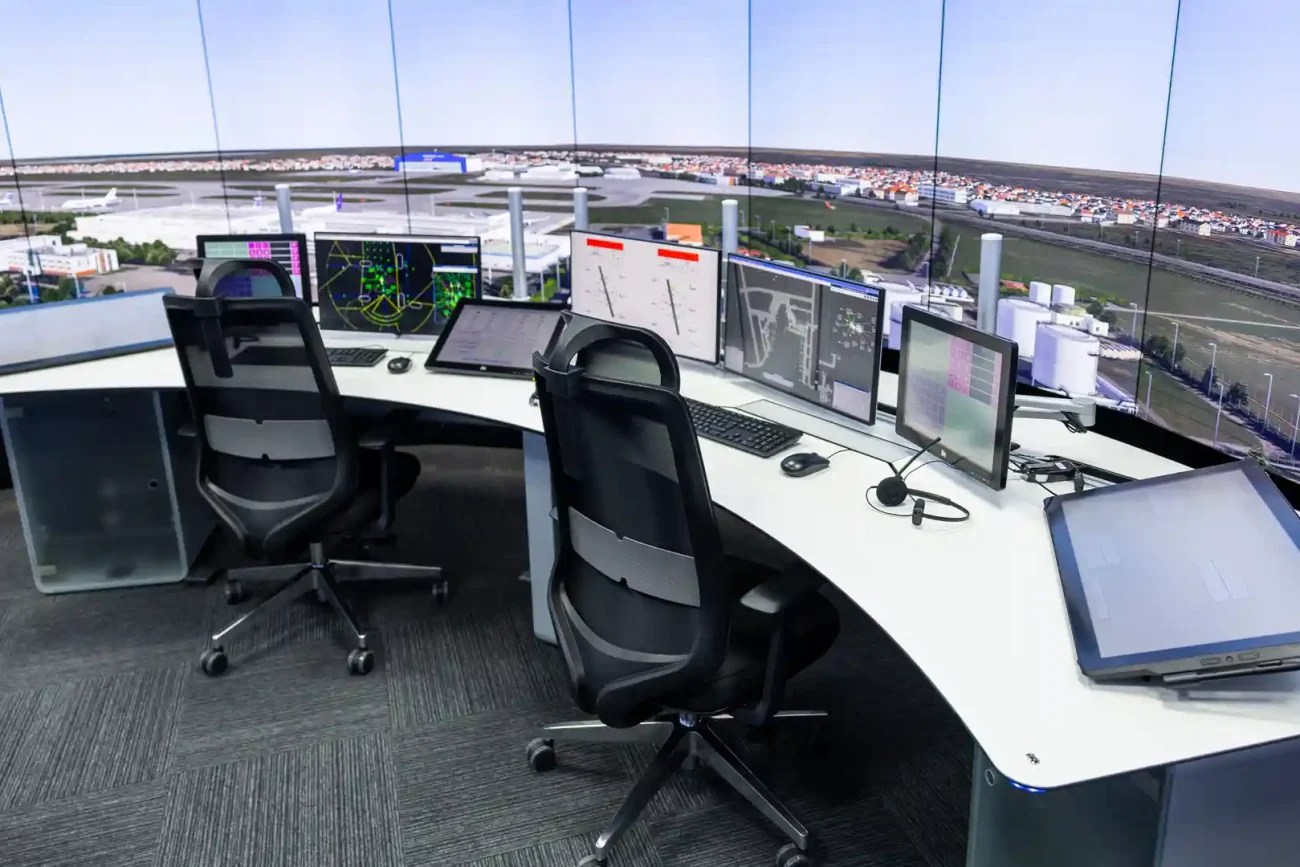
A particularly notable feature of the project is the control tower simulator equipped with large curved consoles and designed to provide a 360-degree panorama of Heydar Aliyev International Airport. This immersive configuration contributes to a highly realistic training environment, enabling personnel to build practical skills in conditions that closely reflect real-life air traffic management scenarios.
The selected console solutions were chosen for their adaptability, connectivity, ergonomic design, and high-quality finish. Beyond their technical functionality, they also contribute to a modern and professional training environment aligned with the standards of a forward-looking aviation institution.
As a result, Training Center has become an advanced, efficient, and future-oriented space where AZANS personnel can strengthen their professional competencies through simulation-based instruction. Such infrastructure is important not only for training quality, but also for the broader development of aviation capability, operational sustainability, and institutional resilience. In the longer term, investments of this kind support the continuous improvement of specialist expertise, reinforce the operational foundations of the national aviation system, and contribute to the overall modernization of the sector.