In the first part of this article, we outlined the key differences between a NOC and a conventional control room to help you understand which one your company should implement, or whether it should deploy both critical environments. Now, in this second part, we discuss the technology required for each scenario and the operators needed to staff them.
Technology, tools and operators for each environment
Differences also exist within the technological ecosystem of each critical environment; while a Network Operations Center relies on network management systems that monitor devices via SNMP, application performance monitoring platforms and security event correlation tools, a control room centers on SCADA systems, CCTV cameras, interfaces for physical asset monitoring and other data sources that enable the operator to interact directly with the process.
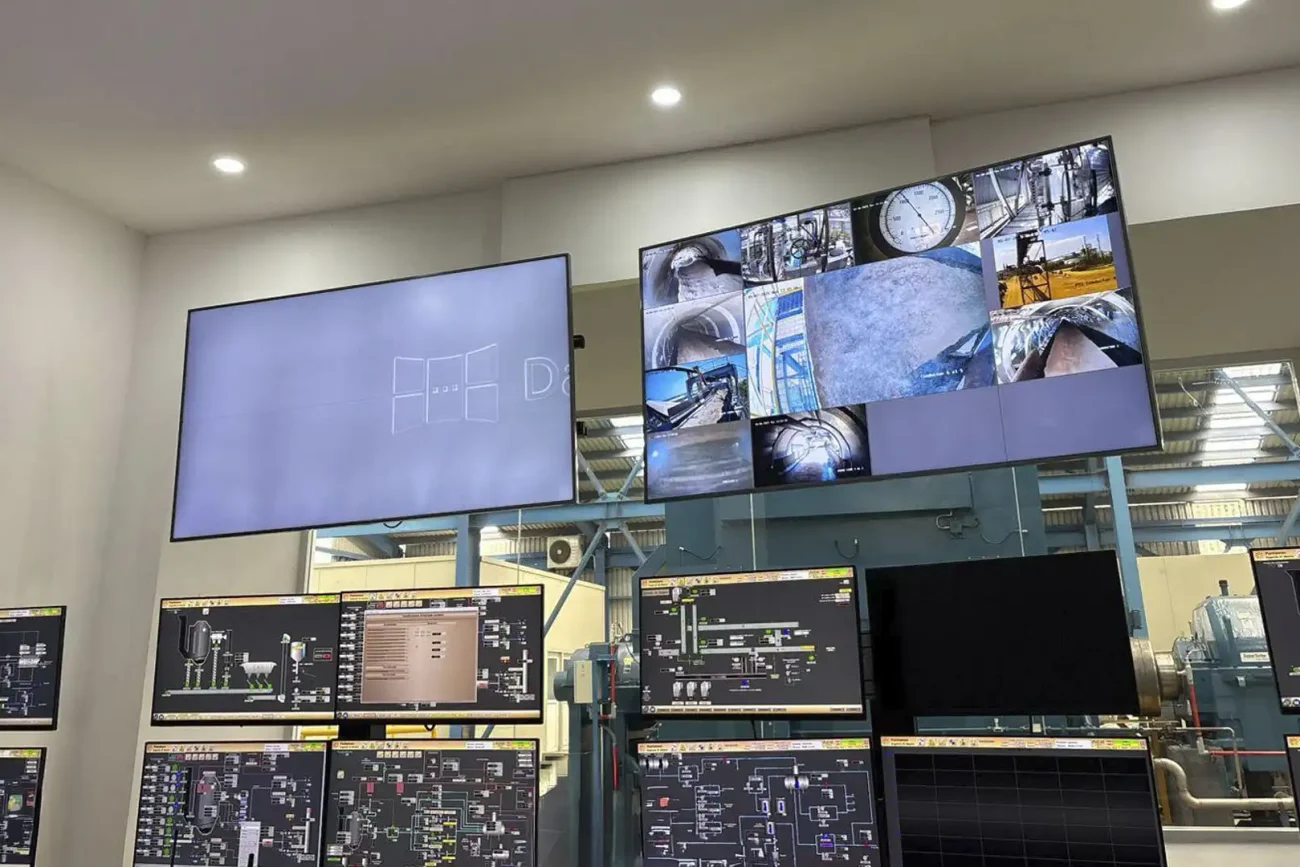
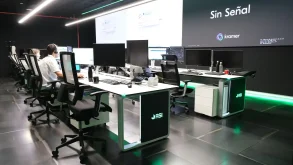
Furthermore, in the case of control rooms, we cannot overlook the management involved in the video wall, which centralizes the real-time display of multiple sources and serves as the primary tool for situational awareness for all operators simultaneously.
Properly managing that shared display, by distributing sources logically and avoiding visual overload, is just as important as the process control software itself, since poor video wall management can slow down decision-making or cause an urgent alert to be missed. Platforms such as GESAB’s DataWall are designed to control and distribute these sources flexibly and dynamically, delivering the efficiency required by a 24/7 environment.
Meanwhile, in the NOC, incident management is handled through logging platforms that automate the opening, tracking, and closing of each case. Consequently, automation and artificial intelligence have become increasingly important in modern environments, enabling incident response times to be reduced by up to 80%.
Operators in both critical environments also possess distinct profiles: some are trained in networks and systems with expertise in TCP/IP, SNMP, and BGP protocols, and work with metric dashboards where an anomaly could signal that hundreds of users have lost connectivity; others have an in-depth understanding of the processes they oversee, quickly interpreting complex situations and making high-pressure decisions that directly impact people or infrastructure.
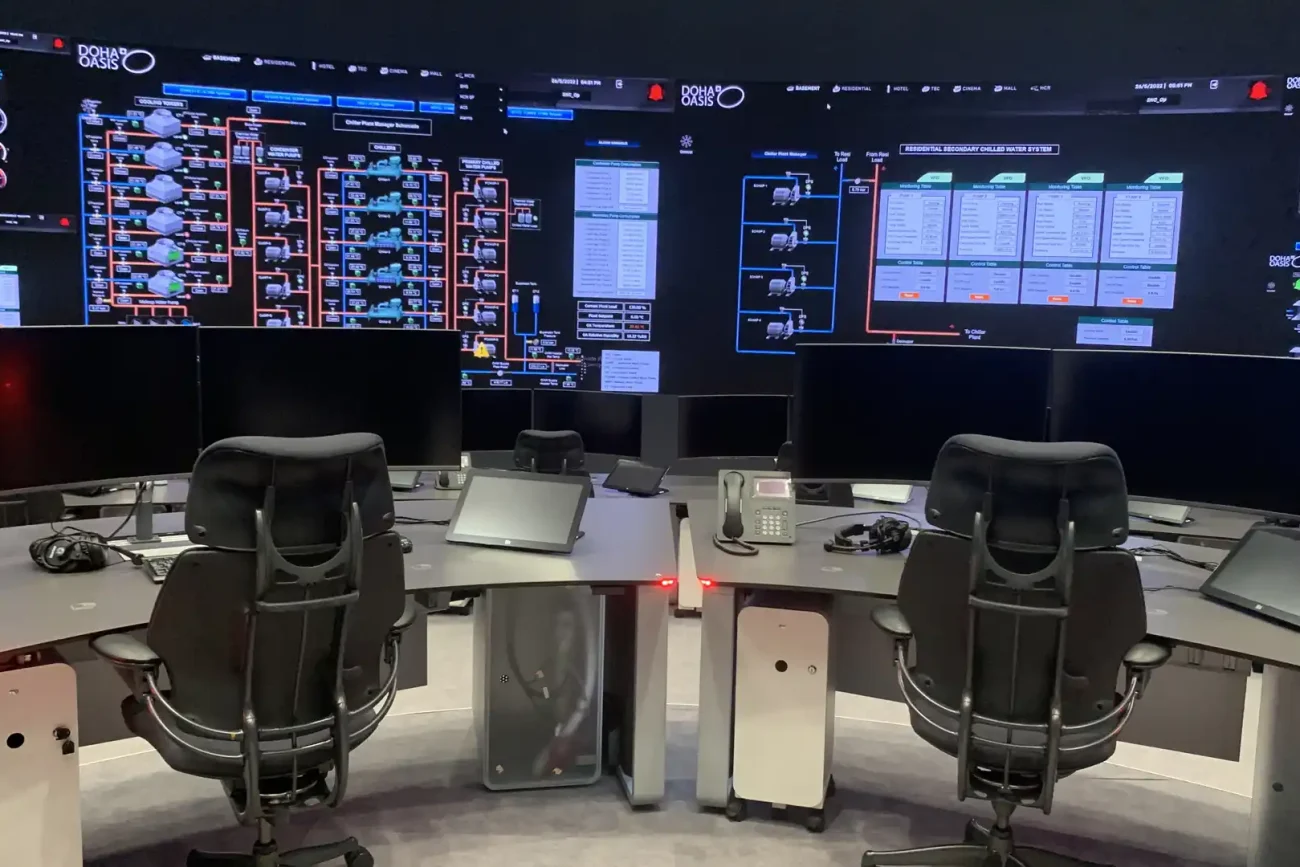
Although both teams work according to defined procedures, the NOC operator’s key strength lies in the ability to escalate issues correctly when a problem exceeds their level of intervention, whereas the control room operator does not execute procedures mechanically but rather interprets, prioritizes and makes decisions based on them.
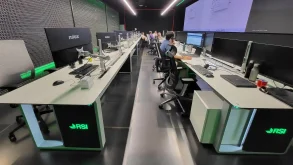
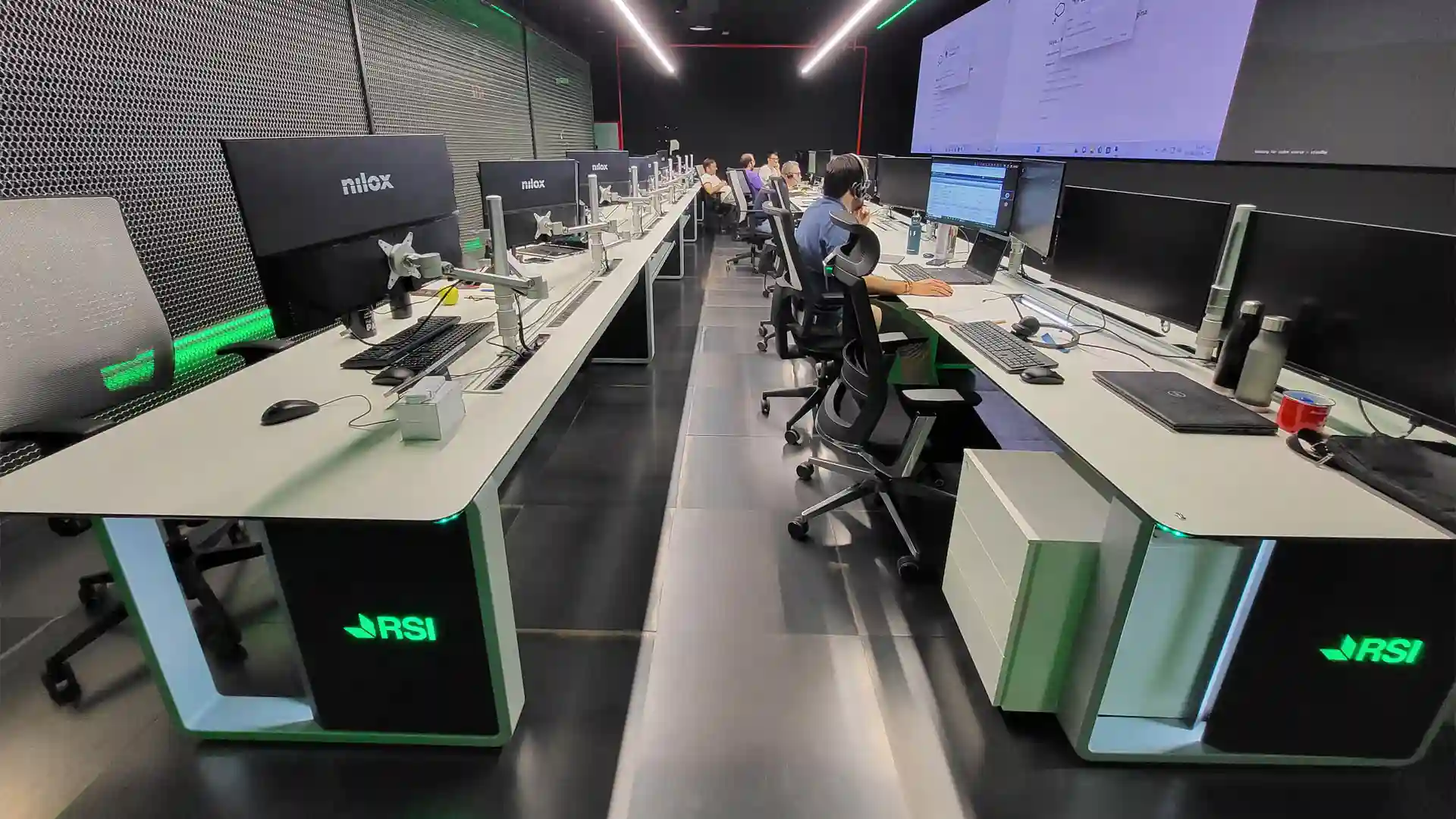
Workstation ergonomics in any critical environment regardless of its nature have a direct impact on operator performance and health. Factors such as extended shifts, controlled lighting to prevent eye strain, stable temperatures and posture-adaptive technical furniture cannot be treated as secondary design considerations. The control console serves as the physical core of the workstation; its design must aim to minimize fatigue during continuous operations, as this largely determines the quality of the decisions made there.
First, define what you need. Then implement
Before deciding whether you need to implement a Network Operations Center or a general control room, it is worth answering three questions:
- Which assets should you monitor: network infrastructure or physical processes?
- What is the actual impact of a failure: an interrupted digital service or a physical consequence posing a risk to people or facilities?
- How many people operate simultaneously and for how long?
The responses will point toward a specific type of critical environment or a mixed one with clearly defined roles.

Many organizations in the energy or public safety sectors require both: a NOC to maintain system connectivity and a control room to manage the processes supported by those systems. However, they must first clearly define the responsibilities of each environment to avoid having unsupervised areas.
Implementing any of these environments requires coherence across three levels.
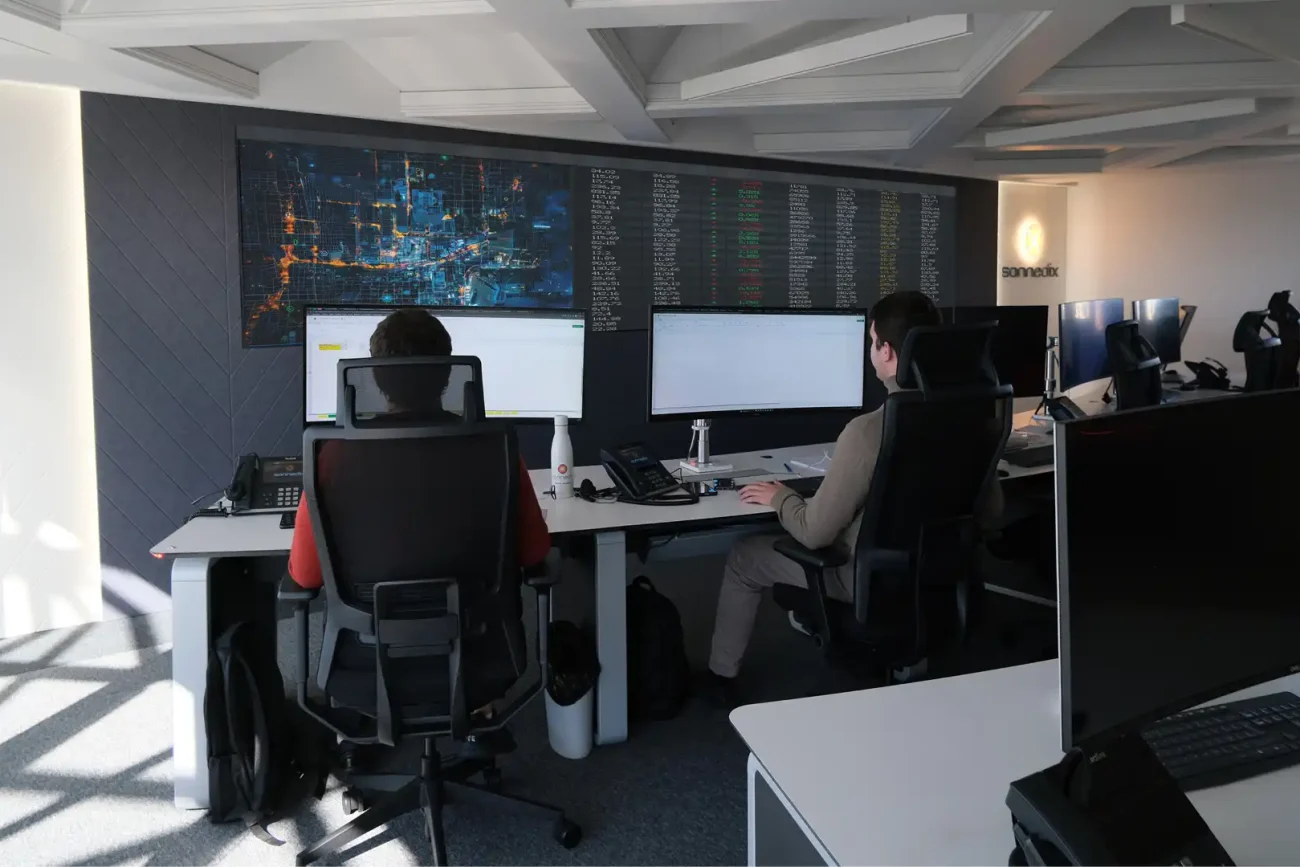
The first is the physical aspect: consoles, workstation layout and lighting adapted for shift-based operations. The second is the visual aspect: video walls, the number of monitors per operator and on-screen content management. The third is the software aspect: a unified management platform and integration with the organization’s existing systems. When these three dimensions are not properly aligned, the result is a space that functions technically but causes operator fatigue or creates information blind spots.
Engaging a specialized company to develop the project will be crucial to avoiding future issues, as their experience allows them to anticipate every situation, need and requirement. Making the right decision during the consulting phase involves understanding the profiles of the people who will operate the environment, selecting the appropriate technology for each layer and designing a space that maintains efficiency over long periods without exacting a physical toll.