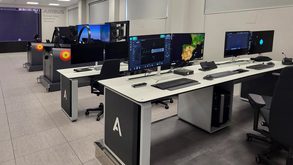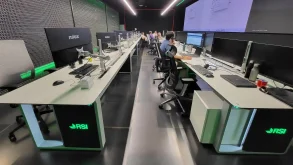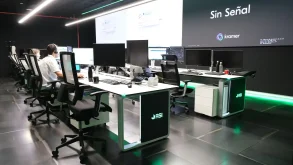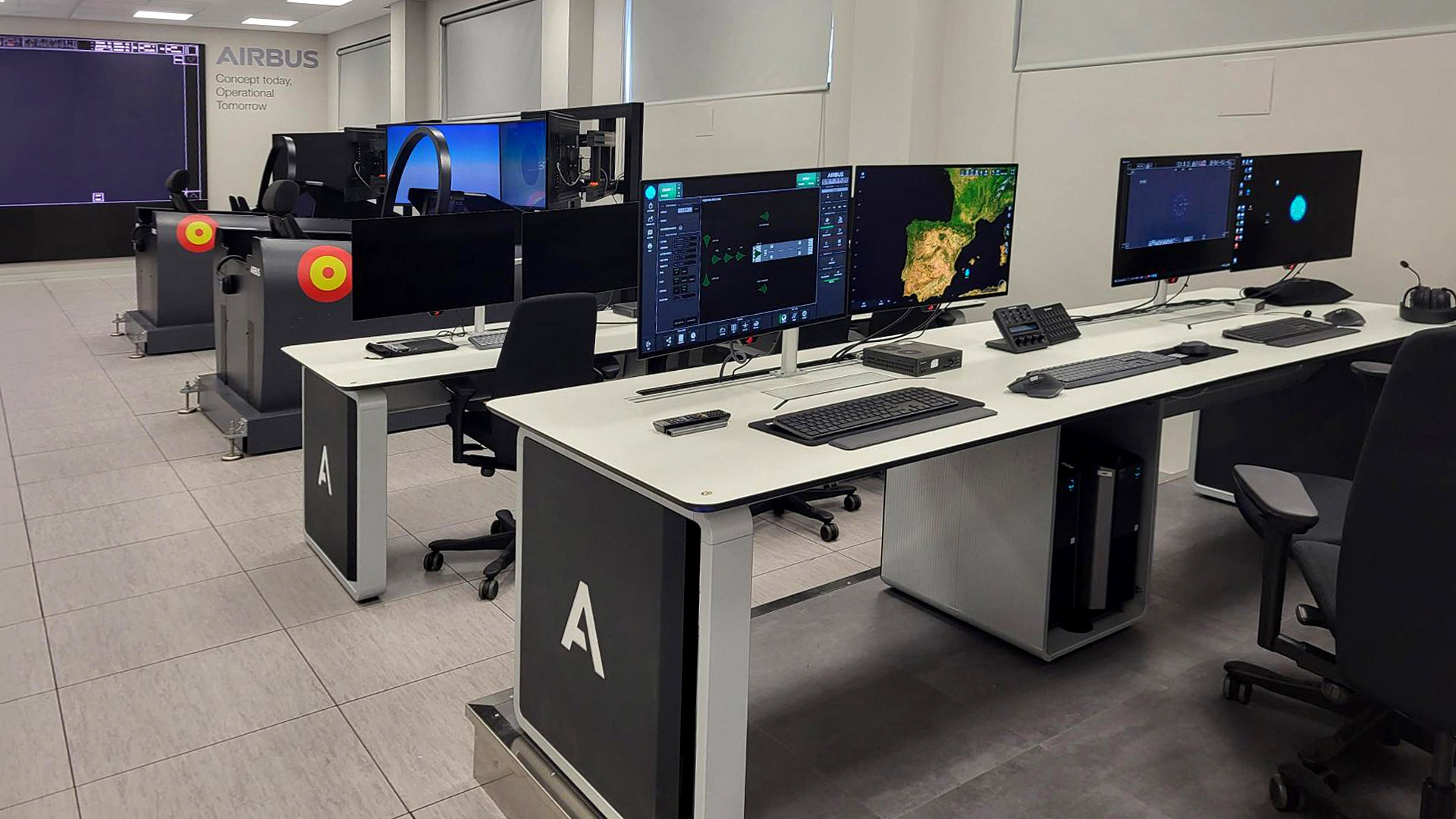
When people talk about a control center, they tend to think of large screens, advanced technology systems and operators monitoring information in real time. However, one of the most important elements of these spaces often goes unnoticed: the technical console, or control console.

A technical console is the workstation from which an operator monitors, controls and manages critical information over long periods of time. It is not simply a desk on which to place screens and equipment, but a piece of high-tech furniture designed for the operator, in which technology and systems are integrated into a single functional element. Moreover, its value is not limited to its use, as a good control console is designed to make the assembly, installation and maintenance of both the console and the equipment integrated inside it quick and accessible, without interfering with the operational continuity of the workstation.

In a control room, every decision can depend on the correct display of data, on the speed of the operator’s response to an incident, or on coordination between different teams. For this reason, technical furniture must meet needs that are very different from those of a conventional office. The technical console thus becomes an essential decision-making tool, and its design and construction must enable the operator to see, reach, use and keep under control all the systems needed to carry out their work safely, comfortably and efficiently.
Designing a control console properly requires an understanding of how a control center works: what information is monitored, how decisions are made, what equipment is integrated and how the systems will be maintained over years of operation.
The technical console: the essential invisible element
Technical consoles are used, as we have already said, in critical spaces where any interruption in the monitoring of information can have catastrophic consequences in operational, economic or safety terms.

Therefore, they are common in control centers with intensive 24/7 use, where the furniture must meet a shared reality: workstations that operate without interruption and must retain their reliability and modern appearance for years. In this kind of environment, the console cannot be seen as an isolated element; it must be integrated into a complete room in which the layout of the video wall, circulation routes, external lighting, functional relationships between operators and the visual relationship with all the information systems are considered.
For this reason, a control console is an essential part of the design of the control center. Its geometry, orientation and configuration affect the visibility and ergonomics of the operating workstation, either facilitating or not the concentration and responsiveness of the operators, which are key aspects when decision-making must be accurate.
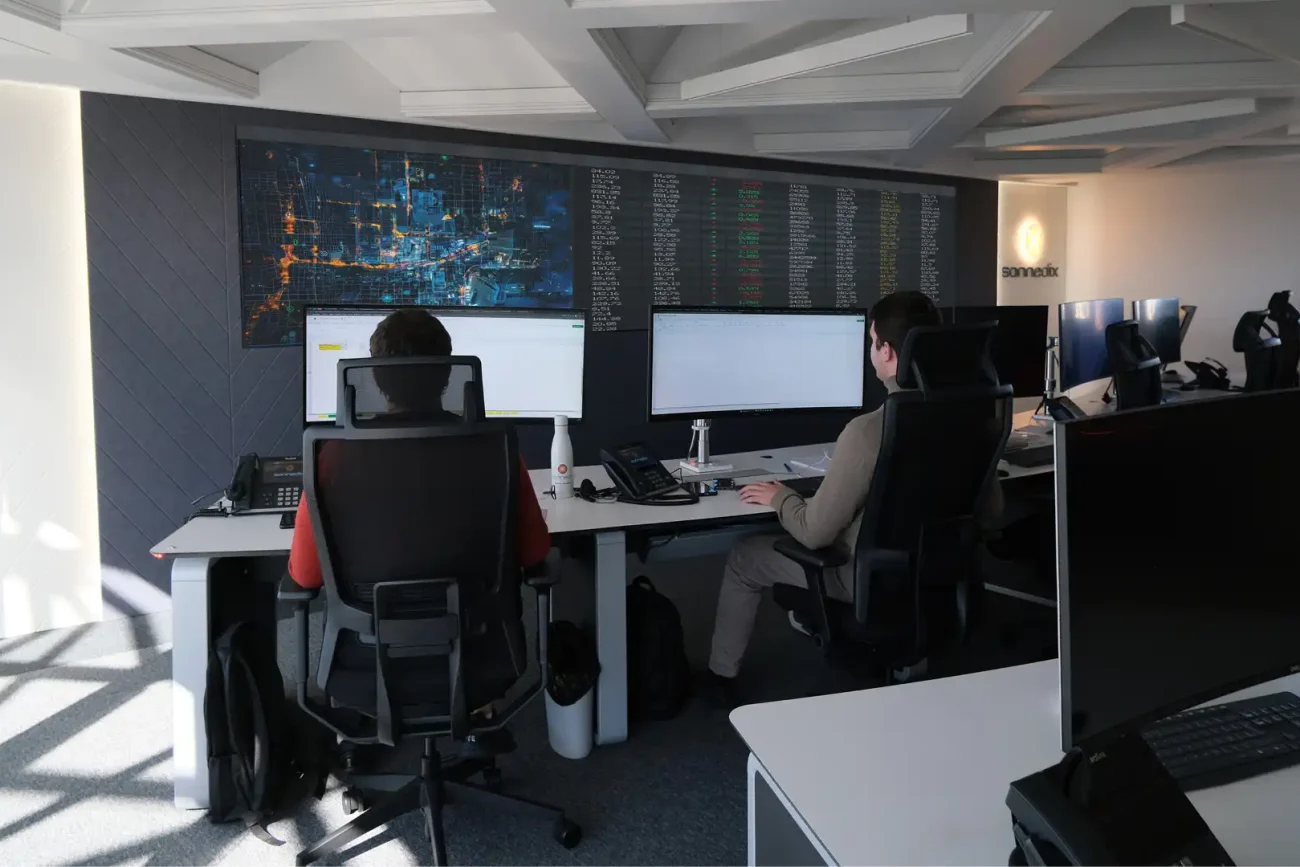
This is because the difference between a technical console and a conventional office desk lies not only in its appearance; whereas a desk works for general tasks, a console is designed for environments where the tolerance for a mistake is very low. For this reason, ergonomics is not merely a matter of regulation or comfort, but a factor directly related to operational safety. Well-positioned screens, controls within reach, a suitable posture and a tidy workstation reduce physical and visual fatigue, and when fatigue decreases, attention improves, concentration increases and the operator can make better decisions.
Therefore, a well-designed console is not “just” a work desk: it is a key element of the control room because it helps the operator to monitor, interpret and act with less effort in demanding situations. It also facilitates operation by organising the workstation and providing space to integrate technology, improving access to systems and promoting a healthy posture throughout the working day.
In control centers, moreover, each console is used by, at least, three different people every day in order to provide a 24/7 service, and each operator may have different physical characteristics and ergonomic needs, so the console must allow simple adjustment without losing functionality.
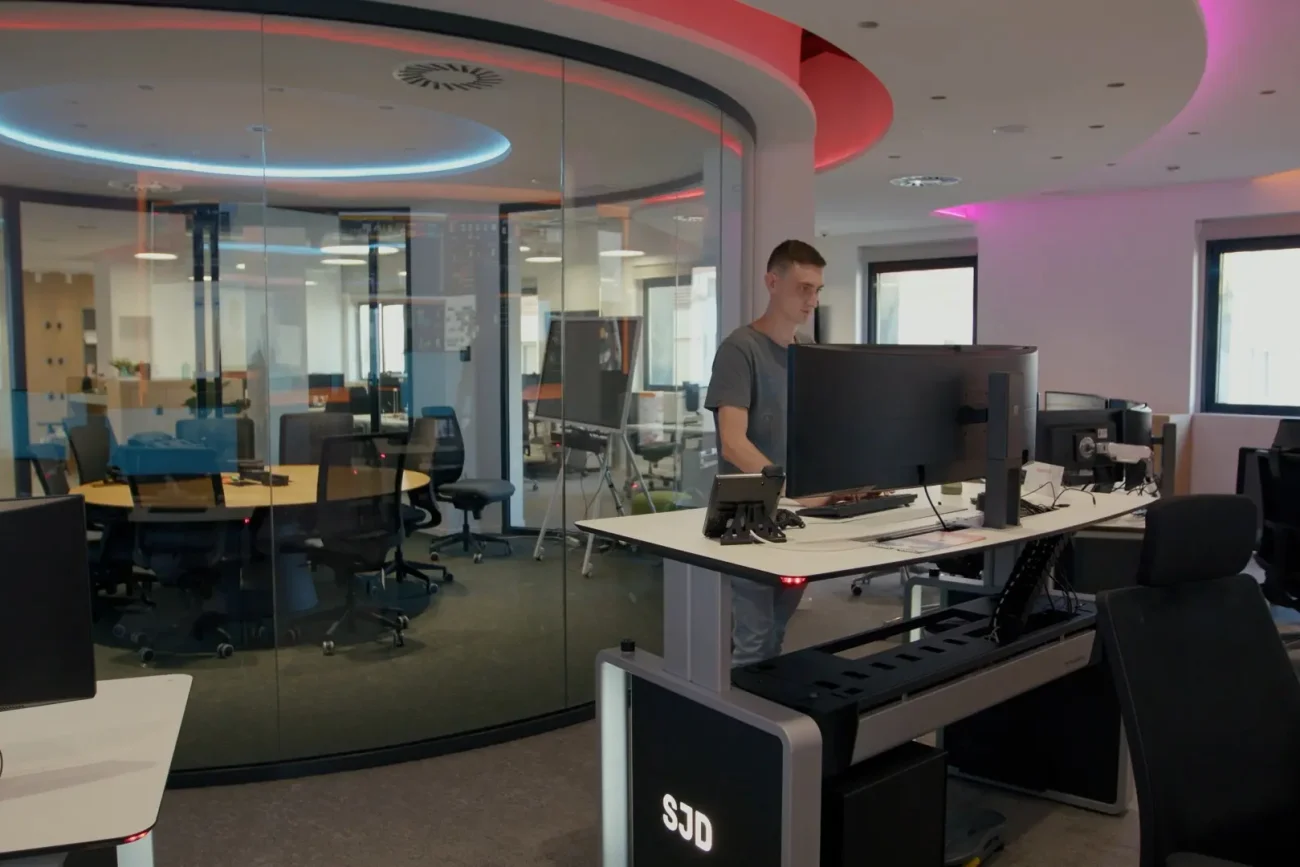
This continuous rotation, combined with intensive use, subjects the control console to a level of demand far greater than that of a conventional office workstation. For this reason, technical furniture must use special materials that guarantee its performance is maintained over a much longer period of time. This is achieved by taking into account the durability of the materials, the quality of the finishes, structural robustness, ease of maintenance and the capacity for future adaptation.
The following key factors guarantee operational continuity in critical spaces where the workstation forms part of the infrastructure:
- It is designed to operate, not just to work: it must facilitate monitoring, control and response to events.
- It integrates technology: it allows screens, equipment, cabling, communications and power solutions to be incorporated in an orderly way.
- It withstands intensive use: it is manufactured with materials and construction solutions suited to high-demand environments.
- It adapts to its environment: it is designed taking into account the room, the operator’s position, visibility, and the relationship with other workstations or video walls.