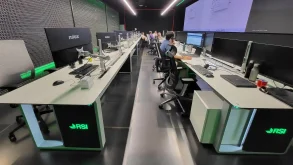
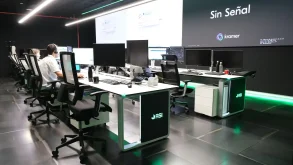
It is increasingly common to find videowalls in several spaces in our daily lives, from small stores to stadiums, control centers and venues for large events. These impressive screens, made up of a series of smaller modules that act as a single giant screen, have the ability to display images or videos comprehensively, which is why they are used in corporate presentations, sporting events, digital art shows, and occupy a fundamental place in control centers, where they provide an overview of the operational status.
Videowalls can be made up of LED technology (in its different variants) or LCD, and each one offers characteristics, advantages and disadvantages that it is essential to know to make an informed decision when purchasing one. There is a third technology, which is videowalls based on rear-projection cubes that, although they were popular, are now out of use and considered obsolete.
What is the difference between one technology and another?
LED videowalls are made up of multiple LED modules that are assembled to create a large screen. This light-emitting diode technology enables large, vibrant images with exceptional brightness and minimal separation between modules, making them ideal for control centers. In addition, LED videowalls are thinner, which makes both installation and maintenance easier, lightweight and can last up to fifteen years, a very attractive quality in long-term installations.

On the other hand, LCD videowalls use combined liquid crystal displays to create a larger visual surface. LCD technology, with a long history in the market, has evolved significantly to offer good image quality and vibrant colors, although these panels are usually heavier than LED modules.
The main advantages of LED videowalls include their superior brightness and wide viewing angles, in addition to the fact that they can be used in brightly lit environments without losing clarity, such as in an outdoor stadium, thanks to their high levels of brightness and high contrast. LED technology also allows people to view the screen from wide angles (up to 160 degrees) without compromising quality, it is more energy efficient under the same brightness conditions, which represents long-term savings on your electricity bill and is also very durable and resistant to adverse weather conditions, making it ideal for outdoor installations. Flexibility in design is also an important advantage, as LED videowalls can be configured in different shapes and sizes, allowing for creative and personalized installations.
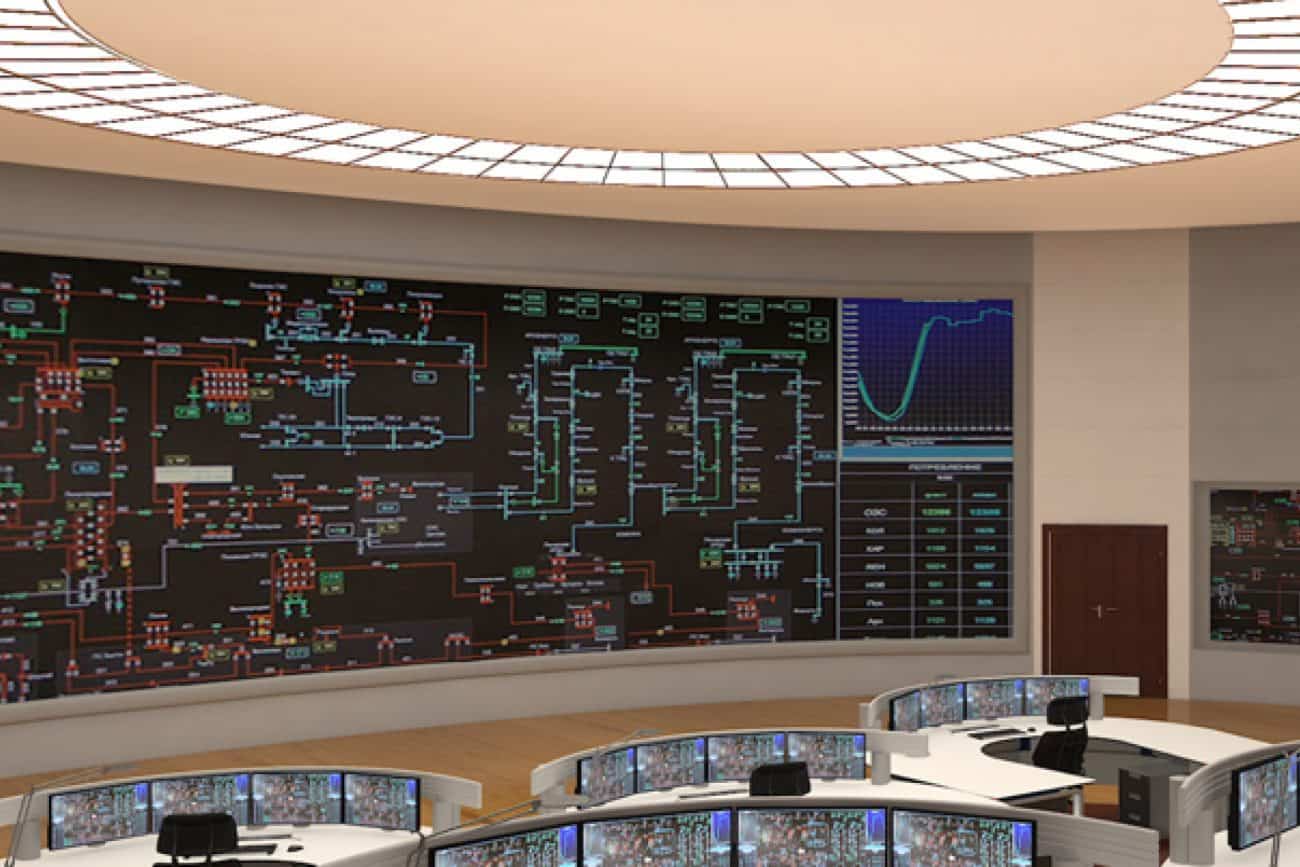
Despite their benefits, they also have some drawbacks, such as their initial cost, which is usually higher compared to LCD technology, especially in high resolution density models. However, the prices of LED technology have fallen considerably in recent years and the investment is clearly interesting, considering its long-term durability. On some lower quality brands, maintenance can be more complex and expensive compared to LCDs, although top-tier manufacturers have made this process much simpler.
LCD videowalls also offer notable advantages, highlighting their affordability. In terms of cost, they are cheaper, making them an attractive option for projects with tight budgets. In addition, LCD technology offers good image quality, especially in low light environments, which is sufficient in some small and medium-sized control centers. Few time ago, it was also easier and less expensive to replace an LCD panel, although new generations of LED videowalls have improved considerably in this regard.
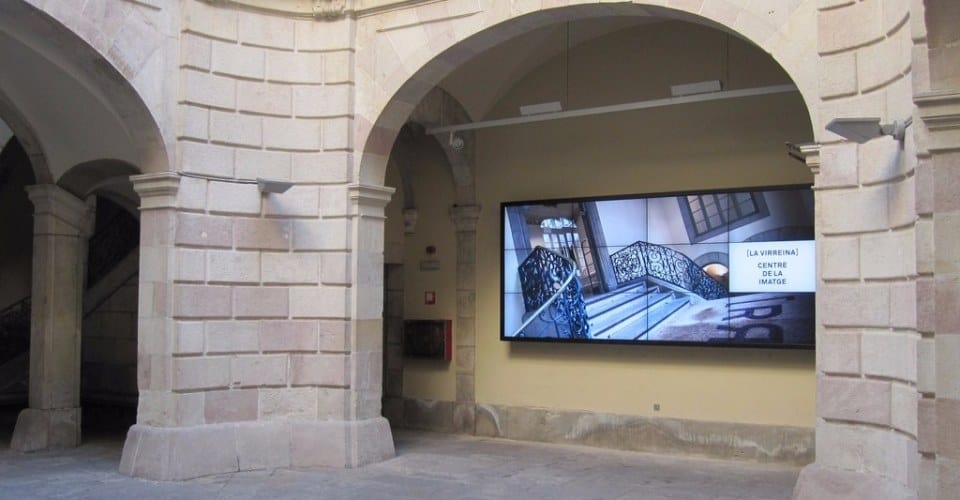
They also have disadvantages, including limited brightness, which can make them less effective in brightly lit environments. Although viewing angles have improved over time, they are not usually as wide as those offered by LEDs, and image quality can be reduced from certain angles. This technology also tends to consume more energy to achieve the same level of brightness as LED, which implies greater energy expenditure in the long term. And another common problem is screen marking, a phenomenon where a static image leaves an imprint that can become more evident and lasting over time, something that does not make them ideal for control centers in which static images are projected.
And over short distances…
In a more detailed comparison, LED videowalls stand out for their high brightness, wide viewing angles, energy efficiency, durability and flexibility in design. LCD videowalls, on the other hand, offer good brightness (although limited compared to LEDs), reduced viewing angles, less durability and less flexibility in design, but at a more affordable cost. In terms of resolution, LCDs usually offer higher pixel density, although this aspect is less relevant in displays from three meters away.
LEDs are ideal for outdoor events in high light conditions, and for creating striking visual installations or unique designs. In addition, its useful life is longer (up to 100,000 hours) without marking or degradation problems. Instead, LCDs are more suitable for tight budgets, indoor or low-light environments, or where high resolution is needed over short distances.

In summary, both LED and LCD technology have advantages and disadvantages, so the choice will depend on the budget, the environment, the content to be displayed and the expected durability. LED videowalls will be the ideal option if a bright, durable and adaptable display is required but if the approach is more economical and will be installed in a controlled environment, an LCD videowall may be the best option.
In control centers, LED video walls are gaining ground in the market thanks to their superior brightness, high contrast, ease of long-term maintenance and greater durability while maintaining constant image quality, given that they are infrastructures with long-term investment.