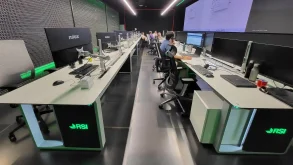
Control rooms play a critical role in managing natural disasters, system failures, and other crises by facilitating real-time decision-making and communication. These environments are highly specialized, designed to enable swift, coordinated responses through advanced technology and communication systems.

Natural disasters cannot be prevented, but their impact on people’s lives can be reduced to a considerable extent. Disaster management covers all aspects of preventive and protective measures, preparedness, rescue, relief and rehabilitation operations. It has three phases:
1. Impact phase: This has three stages.
Pre-impact/response
- Forecast
- Early warning
- Preparedness
- Tracking/monitoring approach of disaster
- Alertness/evacuation.
Impact
- Close monitoring of impact; establishing emergency communication; deploying rescue teams; medical support and other life-saving activities. Supply/air dropping of food, drinking water and essential items.

Post-impact
- Medical care
- Food, clothing and shelter for rescued people
- Estimating loss of life and property
- Disposal of bodies/animal carcasses, prevention of epidemics
- Repair and restoration of essential services/infrastructure.
2. Relief and rehabilitation phase
Temporary shelter/drinking water/food/clothing/minimum household utility goods for victims, repair of roads, electricity and communication networks, salvaging damage to agriculture/distribution of seeds, fertilizer, etc.

3. Long-term mitigation and preparedness phase
This is a crucial period and devoted to long-term development of disaster-prone areas to minimize the impact of the hazard and prepare the people as well as all supporting systems in the area to face future disasters.
If we are talking about the use of a control room in a critical situation, the most interesting for us is the Impact phase, particularly the stage of impact.

During the impact stage of a natural disaster, control rooms play a crucial role in coordinating emergency responses, ensuring real-time communication, and executing pre-established disaster management protocols. Here’s how they operate during this critical phase:
1. Real-Time Monitoring and Data Processing
Control rooms continuously monitor various data feeds such as satellite imagery, weather radars, seismic sensors, and communication channels. In the case of a hurricane or earthquake, for instance, these systems help track the disaster’s immediate impacts—such as flooding, structural damage, or casualties—across affected regions. This allows operators to evaluate the situation in real time and make swift decisions.
2. Emergency Resource Deployment
Based on real-time data, control rooms dispatch emergency teams such as search and rescue operations, medical personnel, and law enforcement. During this stage, the goal is to direct resources to the most critical areas. For example, during a flood or wildfire, control rooms coordinate with fire departments, emergency medical teams, and rescue boats, ensuring that they are deployed to areas with the highest need.
They also handle logistics such as arranging for evacuation shelters, securing food, water, and medical supplies, and organizing transportation for civilians trapped in danger zones.
3. Communication Hub
Control rooms act as the central hub for communication between different agencies—such as police, fire departments, medical teams, and local government officials. They facilitate coordination and real-time updates, ensuring all teams in the field are aligned with the evolving situation. Communication systems, including radio, satellite phones, and digital channels, are used to keep communication open even when conventional networks are disrupted.
During a disaster’s impact, communication is critical for safety, as control rooms keep emergency responders updated on shifting conditions like road blockages or secondary disasters such as landslides.
4. Decision-Making and Adaptation
The control room staff—composed of disaster management professionals, engineers, and data analysts—makes real-time decisions based on incoming data. They often rely on pre-set response plans, but they also have to adapt on the fly due to unpredictable circumstances. Advanced decision-support systems provide predictive models, suggesting next steps based on current developments.

For example, if a hurricane’s path changes unexpectedly, the control room may alter evacuation routes, send new instructions to responders, or issue immediate public warnings.
5. Public Information and Alerts
One of the key functions during the impact stage is issuing real-time alerts to the public. Control rooms coordinate with media outlets, social media platforms, and emergency broadcasting systems to inform the public of critical safety measures, such as shelter locations, evacuation orders, or instructions for securing themselves in place.
6. Situation Logging and Documentation
Control rooms meticulously log events as they unfold, capturing the timeline of decisions, resource deployment, and the evolving state of the disaster. This documentation is critical not only for post-disaster analysis but also for immediate decision-making. It helps in identifying areas where response efforts are working well and where additional resources are needed.
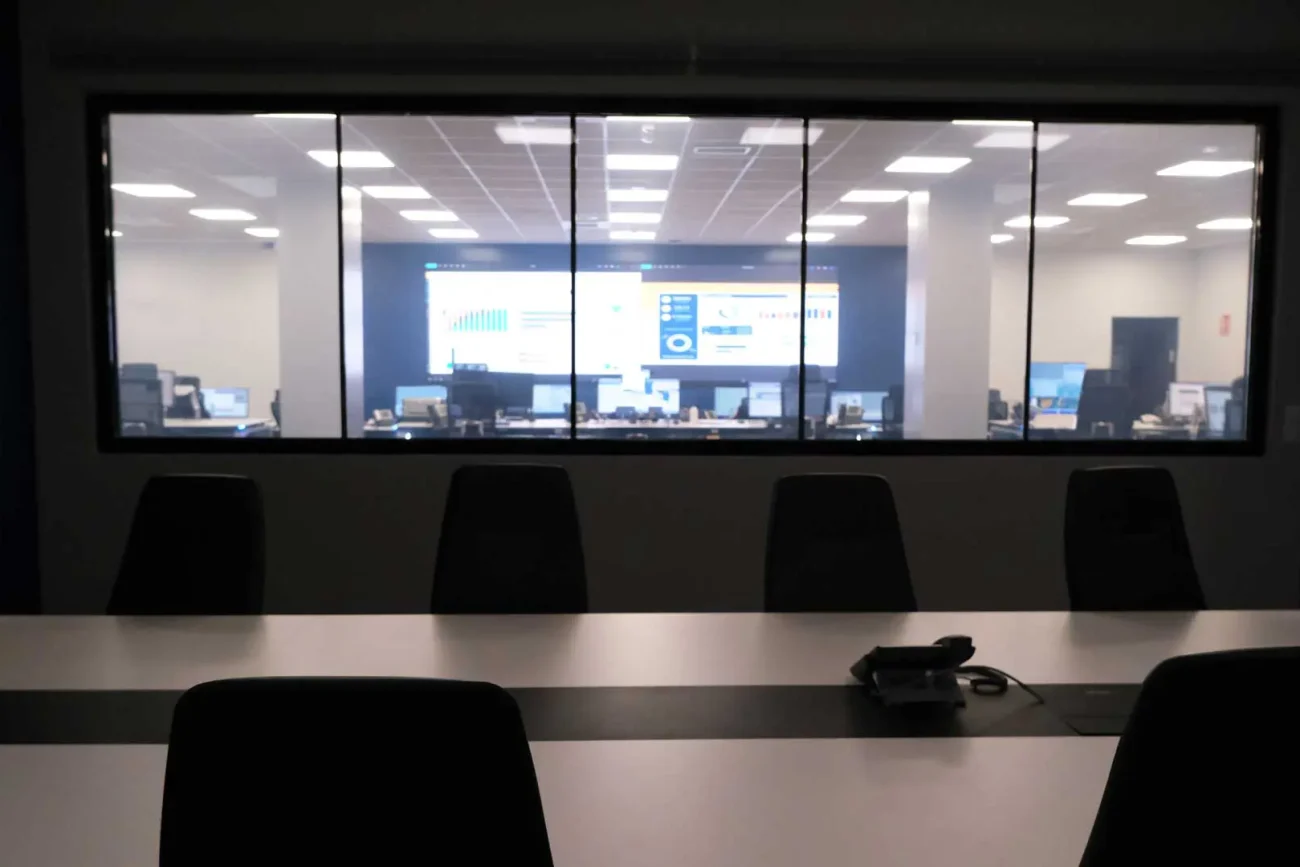
In summary, during the impact stage of a natural disaster, control rooms are the command centers that ensure real-time monitoring, effective communication, rapid deployment of resources, and life-saving decisions. These activities are central to mitigating the disaster’s effects and protecting human lives.